
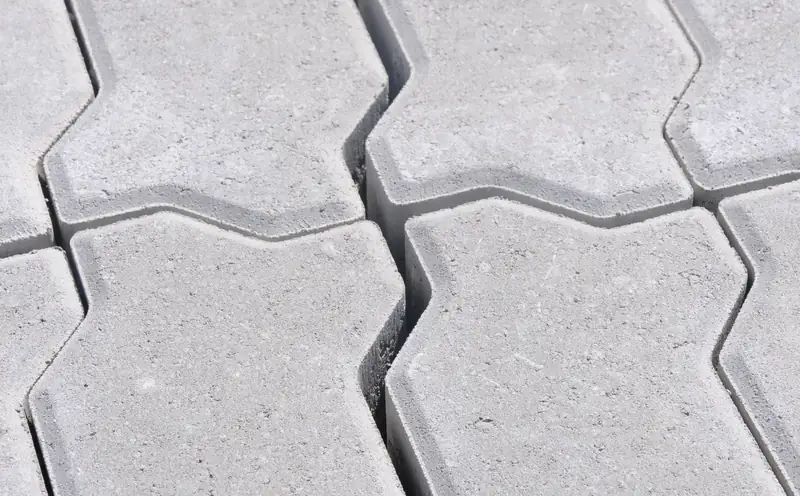
Paver Driveways · Windermere, FL
Paver Driveway Installation in Windermere
A paver driveway in Windermere runs $10–$30 per sq ft installed as of October 2026. Where the driveway meets a paved street, the town's own Right-of-Way spec calls for either an ASTM C902 paver apron inside a ribbon curb or a short concrete transition, a detail that changes depending on which of Windermere's streets a given lot actually fronts.
By the Opera Concrete & Pavers estimating team · Updated October 1, 2026
Get a free estimate
Tell us about the project and we'll call to set up a free site visit.
Pavers get their own apron standard, separate from poured concrete
Windermere's Right-of-Way Use Application spells out two paths for a paver apron: the pavers themselves meeting ASTM C902 inside a 1-foot-wide, 6-inch-thick ribbon curb, or, where there's no sidewalk, built to FDOT Section 526 instead Windermere ROW Use Application. Where that paver driveway ties into a paved road, the strip from the edge of pavement to the property line still has to be 6 inches of concrete rather than pavers all the way to the street Town of Windermere/PDCS — Right-of-Way Use Application 2.2024. A plain concrete driveway skips that second material transition entirely.
Most of Windermere's own streets aren't the paved kind that spec assumes
Main Street and Sixth Avenue carry Windermere's through traffic and are paved, but most of the town's residential grid stayed sand or brick by the town's own choice Wikipedia, Windermere, Florida. A paver driveway fronting one of those unpaved side streets isn't tying into the same curb-and-pavement edge the Right-of-Way application describes, so PDCS is worth a call before the apron design is finalized on a lot that doesn't front Main Street or Sixth Avenue. The private portion of the driveway, back from the street edge, follows the same base and bedding-sand work regardless of which street it meets.
Why 6 inches of base isn't automatic under a driveway near Windermere
ICPI's own spec sets a residential driveway base at a minimum of 6 inches of compacted aggregate over well-drained soil, while a patio or walkway only needs about 4 inches. That minimum isn't the end of the math: on wet or poorly drained ground, the same spec calls for 2 to 4 inches more before the base is considered done. Around Windermere, which number applies depends on what's actually under the topsoil, not on habit. A crew that quotes 6 inches for every lot skipped the step where someone checks the soil, and that's the step that keeps a driveway from settling at the edges a year later.
Why compaction happens in lifts, not one pass
Aggregate base doesn't get compacted as one thick layer; it goes down and gets compacted in lifts of about 4 to 6 inches at a time, run over with a plate compactor heavy enough to do the job, around 7,000 pounds of compaction force. A 6-inch driveway base is at least one full lift, often closer to two depending on the starting grade, and each one gets its own pass before the next layer goes on top. Pressing the whole depth at once from the surface doesn't reach the bottom of the base the same way, which is how a Windermere driveway ends up solid on top and soft two inches down, a flaw that doesn't show until a season of traffic and rain finds it.
A paver driveway meeting a paved street, worked out in square feet
Say a 22 by 42 foot paver driveway, 924 square feet, fronts a paved stretch near Main Street, where the apron has to carry that 6-inch concrete transition for roughly the first 15 feet back from the road. Pricing the full driveway at $10–$30 per sq ft installed puts the job between $9,240 and $27,720, tightening to about $11,080 to $18,480 in the typical $12–$20 band. The concrete transition strip adds a second material and a second inspection point to the job that a driveway fronting one of Windermere's sand streets wouldn't necessarily carry.
An apron that meets the right-of-way has its own rules
The strip of driveway between the edge of a property and the street, often called the apron, usually sits inside a right-of-way the city or county controls rather than the homeowner. Florida law keeps a local government from requiring a license just to install a driveway, but that exemption covers the license, not the permit: a local government can still require a permit for work that touches its right-of-way. On a Windermere project where the apron crosses into that right-of-way, checking which department reviews that specific strip, separate from the rest of the driveway, is worth doing before the base crew ever shows up.
Oil and fluid stains on an unsealed paver surface
Concrete pavers aren't sealed by default under ICPI's spec, which treats sealing as optional rather than a required step, and an unsealed surface takes on an oil or transmission-fluid stain the way any unsealed masonry does: by absorbing it rather than letting it sit on top. A stain that's blotted quickly, before it has time to soak deeper into the paver and the bedding sand underneath, cleans up far more easily than one left to set for days on a Windermere driveway. It's one of the practical reasons some owners choose to seal a new driveway sooner than the spec requires, even though there's no fixed interval written into it, rather than waiting until a stain forces the decision.
Pulling weeds and moss out of the joints
Joint sand that's thinned out from washing or wear leaves an opening for weed seeds and, in a shaded or damp section of a Windermere driveway, for moss or algae to take hold between the pavers. Pulling growth by hand or with a joint-safe tool and resweeping fresh sand into the gap afterward keeps the problem from spreading to neighboring joints, since one open seam tends to collect debris that the next one catches too. A driveway with a stabilized or polymeric joint resists this far better than one with plain dry sand, which is one of the trade-offs worth weighing against the lower upfront cost of the standard spec.
Frequently asked questions
Do Windermere's paver driveways need a concrete strip at the street?
Only where the driveway meets a paved road. The town's spec then calls for 6 inches of concrete from the edge of pavement to the property line, with the pavers themselves built to ASTM C902 inside a ribbon curb, or to FDOT Section 526 where there's no sidewalk.
Does a paver driveway need a different review than concrete in Windermere?
No, both go through the same Right-of-Way Use Application for the portion crossing into the public strip, with the paver apron following its own material spec rather than the concrete one.
Are all of Windermere's streets paved?
No. Main Street and Sixth Avenue are paved through routes, but most residential streets in town stayed sand or brick, which changes what a driveway apron is actually tying into at the road edge.
Sources
- PDCS — Windermere
- Town of Windermere/PDCS — Right-of-Way Use Application 2.2024
- Town of Windermere — Municode LDC Art. VI §6.01
- Census Bureau PEP, City and Town Population Totals, Vintage 2025 (July 1, 2025)
- Census Reporter, Windermere FL (ACS 2020-2024 5-yr, B25035)
- Orange County Division of Building Safety
- Orange County — Do I Need a Permit
- Orange County — Residential Pavers
- Orange County — A Guide for Residential Plan Approval
- Orange County — Residential Lot Grading Policy 2023
- Orange County, Horizon West
- SJRWMD Watering Restrictions
- Florida Administrative Code — Rule 62-308.100, Synthetic Turf (effective May 19, 2026)
- Florida Statutes §125.572 — synthetic turf on single-family lots
- Florida Senate Interim Report 2011-104 (sinkhole insurance)
- FDEP / Florida Geological Survey Sinkhole FAQ
- Wikipedia, Windermere, Florida
- Wikipedia, Isleworth, Florida
- Wikipedia, Lake Down
- Wikipedia, List of Outstanding Florida Waters
- FDEP, Outstanding Florida Waters fact sheet
- ClickOrlando, a Windermere dirt-road stormwater pilot
- Orange Observer, the cost of keeping Windermere's roads dirty
Ready for a price on your project?
Request a free estimate
Tell us about the project and we'll call to set up a free site visit.