
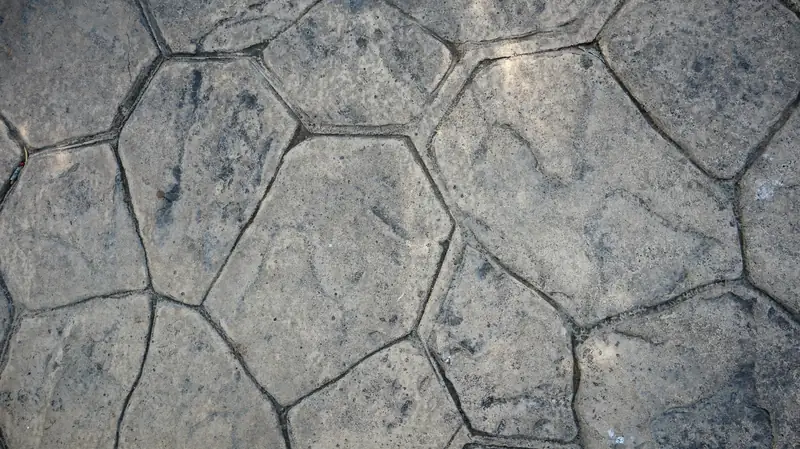
Stamped Concrete · Dr. Phillips, FL
Stamped Concrete Driveways and Patios in Dr. Phillips
Stamped concrete pricing in Dr. Phillips runs $8–$19 per sq ft installed this October 2026, moving up or down inside that span with the pattern chosen and how many colors go into it. With no historic district here and no single HOA covering the whole community, the finish a homeowner picks is mostly a question of matching the surrounding streetscape, whether that's a golf-course frontage in Bay Hill or a citrus-era ranch house in Sand Lake Hills.
By the Opera Concrete & Pavers estimating team · Updated October 1, 2026
Get a free estimate
Tell us about the project and we'll call to set up a free site visit.
No citywide design board, just the county's standard review
Dr. Phillips has no historic preservation district and no single architectural review board covering the entire community, so a stamped pattern or integral color doesn't trigger the kind of Certificate of Appropriateness review a designated historic street elsewhere in Orange County would require. The county's Division of Building Safety still reviews the slab itself under its usual permit, regardless of finish (Orange County, Do I Need a Permit).
Why Fiber Often Replaces Wire Mesh Under a Stamp Mat
Wire mesh has to be pulled up into the middle of the slab as the pour goes in, and a crew pressing heavy rubber or polyurethane stamp mats into wet concrete can push mesh that was not positioned well right back down to the bottom, where it does little good. Synthetic fiber mixed into the batch at the plant disperses through the whole slab instead, so there is nothing to hold in place or push out of position while the mats are being worked. For a stamped driveway or pool deck in Dr. Phillips, fiber reinforcement fits the stamping process better, even though, like mesh, it keeps a crack from opening rather than stopping one from forming in the first place.
Upgrading a plain driveway to a stamped pattern, worked out in square feet
Picture a Clubhouse Estates driveway, 360 square feet, resurfaced in a stamped running-bond pattern with a single integral color to match the brick accents already on the house. At the $8–$19 per sq ft installed range, that project runs roughly $4,320 to $6,840, with a second color or a more detailed release agent pushing the number toward the top.
A pattern choice usually tracks the neighborhood it's going into
A stamped ashlar-slate or cobble pattern in muted earth tones tends to read as a natural fit on a Bay Hill golf-course lot, where the surrounding landscaping and course frontage lean traditional, while a cleaner running-bond pattern suits the more straightforward ranch-style streets of Sand Lake Hills and Clubhouse Estates built in the 1980s and 1990s (Wikipedia, Dr. Phillips, Florida). Neither choice changes the underlying slab spec or the permit category; it's a matter of what looks right on the street, not a code requirement.
Deeper Pattern Grooves Hold Salt Air Closer to the Reinforcement
A stamped surface has more texture, and more grout-line depth, than a plain broom finish, which means that near the Gulf, where airborne salt speeds up corrosion of any exposed wire mesh or fiber-reinforced crack, a stamped driveway or patio can hold moisture and salt residue in its grooves longer than a smoother surface would after the same rain. If Dr. Phillips sits in one of the coastal stretches of Sarasota or Manatee where salt air reaches the yard regularly, that texture is worth factoring into how often the surface gets rinsed and resealed, not just how it looks after installation. Inland, this risk mostly does not apply.
Ridge Sand Needs Wetting Before It Will Compact for a Driveway
West of Orlando, sand ridge soils such as Candler and Astatula drain so well that the water table can sit more than 80 inches down, which sounds like easy ground but loose, excessively drained sand will not lock together under a plate compactor the way firmer soil does. For a stamped driveway on a ridge lot in Dr. Phillips, we wet the base material enough to bind it and compact it in shallow lifts rather than one deep pass. Skipping that step on a decorative driveway is a costlier mistake than on a plain one, since replacing a sunken panel means matching a color and pattern that has already weathered a season or two.
The Order of Operations Between the Pour and the Stamp
A stamped slab goes through more finishing steps than a plain one before a broom or a trowel gets put away: screed and bull float first, then color hardener broadcast and floated in where it is used, then edging and the control joint layout, then a texture skin check to confirm the surface has firmed up enough to hold an imprint. Only after that does the crew press the stamp mats in, working panel by panel, followed by hand tools at borders and tight corners the mats cannot reach. On a Dr. Phillips pour, rushing ahead to any one of those steps before the previous one is finished is the most common way a stamped job goes wrong.
Rinsing Pool Splash Off a Stamped Deck Isn't Optional Upkeep
Chlorinated water splashed onto a stamped pool deck leaves behind more than a wet patch once it evaporates: repeated exposure without rinsing works on the sealer film the same way sun does, breaking it down faster right around the pool's edge than anywhere else on the same Dr. Phillips deck. A quick hose-down of the areas that take the most splash, done as part of normal pool maintenance rather than as a separate task, slows that uneven wear enough to delay the next full reseal. Skipping it does not damage the concrete underneath, but it does mean the color and sheen around the pool fade noticeably faster than the rest of the deck.
Frequently asked questions
Does Dr. Phillips have a design review board that controls stamped concrete patterns?
No single board covers the whole community. There's no historic district here, so a stamped pattern or color choice doesn't trigger the kind of design review a designated historic street would require elsewhere in the county.
Does a stamped driveway cost more to permit than plain concrete in Dr. Phillips?
No. The county's Division of Building Safety reviews the slab the same way regardless of the finish; a stamped pattern changes the look and the price of the work, not the permit category.
What stamped pattern fits a Bay Hill golf-course lot best?
An ashlar-slate or cobble pattern in muted, earth-toned colors tends to suit the traditional landscaping common on Bay Hill's course-fronting streets, though it's a style choice rather than a requirement.
Sources
- Orange County Division of Building Safety
- Orange County — Do I Need a Permit
- Orange County — Residential Pavers
- Orange County — ROW Utilization Permit directory
- Orange County — Municode Ch. 21 Art. VI ROW Utilization
- Orange County — Residential Lot Grading Policy 2023
- Orange County — A Guide for Residential Plan Approval
- Orange County, Tree Removal Permit
- SJRWMD Watering Restrictions
- Florida Administrative Code — Rule 62-308.100, Synthetic Turf (effective May 19, 2026)
- Florida Statutes §125.572 — synthetic turf on single-family lots
- F.S. 720.3045 (2026) Installation, display, and storage of items
- Florida Senate Interim Report 2011-104 (sinkhole insurance)
- NRCS OSD Candler
- NRCS OSD Tavares
- NRCS OSD Myakka
- NRCS OSD Smyrna
- Wikipedia, Dr. Phillips, Florida
- Census Reporter, Doctor Phillips, FL (ACS 2024 5-yr)
- Florida Neighborhood Realty, Restaurant Row in Dr. Phillips
- MarketConnect Realty, Phillips Landing homes
- FDEP, Outstanding Florida Waters fact sheet
- Point2Homes, Doctor Phillips demographics
Ready for a price on your project?
Request a free estimate
Tell us about the project and we'll call to set up a free site visit.