
Pool Deck Pavers · Lakewood Ranch, FL
Travertine and Paver Pool Decks in Lakewood Ranch
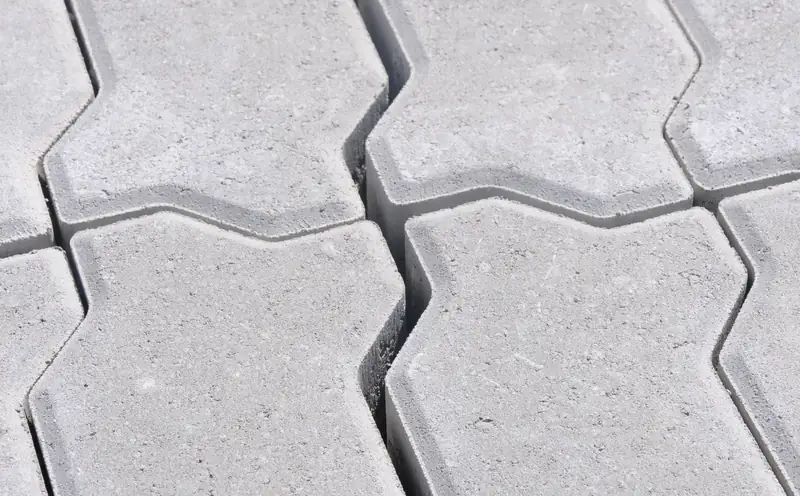
Pool deck pavers or travertine in Lakewood Ranch run $12–$30 per sq ft installed as of October 2026. With most homes dating to 2014 or later, pavers and travertine here go in on a new pool build more often than as an overlay on a worn original deck, the pattern that dominates in the unit's older towns.
By the Opera Concrete & Pavers estimating team · Updated October 1, 2026
Get a free estimate
Tell us about the project and we'll call to set up a free site visit.
A new build's pool deck is a specification decision, not a repair
A deck poured and finished when the home is first built typically clears Community Association Services as part of the builder's original site plan for the lot, so choosing pavers or travertine at that stage is a design decision made once (Lakewood Ranch Town Hall, CEVA Homeowners’ Manual 2022). Changing an existing deck's material or color later, on a resale or a renovation, is the kind of exterior change that goes back through a Modification Request Form, since it's no longer the plan the community already reviewed.
Base Depth for a Paver Deck Follows the Patio Spec, Not the Driveway Spec
A paver pool deck carries the same light pedestrian load a patio does, lounge chairs, foot traffic, the occasional umbrella stand, so the ICPI minimum of 4 inches of compacted base on well-drained soil applies here too, not the heavier 6-inch driveway spec. What's different around a pool is how much more moisture the base near the water's edge sees from splash-out, backwash and equipment pad runoff, on top of whatever rain the rest of the yard gets. On a Lakewood Ranch job, we treat the few feet closest to the coping as wetter ground by default and compact accordingly, even on a lot where the rest of the base tests dry.
The same county setback applies whether the deck is poured or paved
Manatee County's 5-foot setback from a lot line or shoreline for a pool deck on grade doesn't change based on the surface material; a travertine or paver deck gets measured the same way a plain concrete one does. On a lake-facing lot, that means the paver layout, not just the pool shell, gets checked against the shoreline distance before the first course goes down.
Sealing Travertine Isn't Optional the Way It Is on Concrete Pavers
Concrete pavers can go years unsealed with no real problem beyond a faded surface, but travertine's porosity makes sealing closer to a requirement than an option on a deck this close to a pool, where sunscreen, chlorine splash and standing water all have more chances to soak into unsealed stone. A Lakewood Ranch homeowner choosing travertine for its look and its cooler surface in full sun should plan for that sealing schedule as part of the material choice, not as optional maintenance added later. Shell stone carries a similar porosity and benefits from the same approach, even though it's a different material entirely.
A new pool deck in travertine, worked out in square feet
Say a new pool build on a Lakewood Ranch lot specifies a 600 square foot travertine deck around the shell rather than plain concrete. At $12–$30 per sq ft installed, that runs $7,200 to $18,000, narrowing to roughly $8,400 to $13,200 in the typical $14–$22 band depending on the stone and pattern. Because the material is specified at the same time as the pool permit, it typically moves through Community Association Services as part of the original site plan rather than as a separate Modification Request Form, which is not the case for a homeowner swapping an existing deck's surface years later.
Overlay Prep: Cleaning and Testing the Old Slab Before Pavers Go Down
An overlay job starts with testing, not installing, since every square foot of the old concrete deck has to be sound enough to carry a new paver system before bedding material goes on top of it. We sound the slab for hollow spots, pressure-wash it to remove any sealer or coating that would block adhesion, and patch anything that fails before the bedding system goes down. On a Lakewood Ranch overlay, this prep stage often takes as long as the paver-laying stage itself, since a problem found here is far cheaper to fix than one discovered after the new surface is already down.
Saltwater Pools Leave Salt Behind on the Coping and Nearby Pavers
A saltwater pool runs at a far lower concentration than seawater, but splash-out and backwash still carry that salt onto the coping and the few feet of paver field closest to the water, and it stays behind as a dull white residue once the water evaporates. It looks similar to ordinary efflorescence on new concrete pavers but comes from the pool itself rather than from the paver material curing, and it keeps recurring on a schedule tied to pool use rather than fading out over a season. On a Lakewood Ranch deck, the coping and splash zone need a routine rinse the rest of the field doesn't.
Checking the Coping's Flexible Joint for Wear
The sealant in the flexible joint between coping and field pavers absorbs the independent movement of the pool and the deck around it, and like any sealant it wears out well before the pavers or the coping itself show any age. A Lakewood Ranch homeowner who checks that joint once or twice a year for cracking, gaps or sections that have pulled free from either surface catches a failing joint while a simple recaulk still solves it. Letting that joint fail quietly lets water and debris work into exactly the gap it was built to protect, a slower problem to notice than it is to fix early.
Frequently asked questions
Is a paver pool deck more common as new construction or an overlay in Lakewood Ranch?
New construction, more often than in the unit's older towns, since most homes here date to 2014 or later and their original pool decks haven't reached the point where an overlay makes more sense than keeping the existing surface.
Does changing an existing pool deck to pavers need community approval?
Yes, since it changes the material from what the builder's original site plan showed, which puts it back through a Modification Request Form with Community Association Services.
Does the 5-foot setback apply to a travertine pool deck the same as concrete?
Yes. Manatee County's pool-code setback from a lot line or shoreline applies to a pool deck on grade regardless of whether the surface is poured concrete, pavers or travertine.
Sources
- Census Reporter, Lakewood Ranch CDP FL (ACS 2020-2024 5-yr, B01003/B25035)
- Census Reporter geography parents, Lakewood Ranch CDP
- Census 2024 Gazetteer, Florida places
- Lakewood Ranch / Schroeder-Manatee Ranch, About Us
- Lakewood Ranch Town Hall, CEVA Homeowners' Manual 2022
- Lakewood Ranch CEVA Modification Request Form
- Lakewood Ranch GBVA-SRVA Modification Request Form
- Manatee County LDC §1004.2 Access and Drainage Permit
- Manatee Driveway and Culvert Application (2022)
- Manatee — Request a Driveway or Culvert Permit
- Manatee — Inspections Required for Paver Driveways
- Manatee — What Does Not Require a Permit (6-16-26)
- Manatee County LDC §511.16 Swimming Pools, Spas, Screen Enclosures
- Sarasota County Code §124-48 Right-of-Way Use Permit
- Sarasota County Code §98-3 Driveway culvert / ROW use permit fees
- Sarasota County Code §124-255 Additional Provisions (culverts)
- Sarasota County Code §22-63 (retaining walls > 4 ft engineered)
- Sarasota County Building (search excerpt; 403 to direct fetch)
- SWFWMD District Water Restrictions
- Manatee County - Modified Phase III water shortage restrictions
- NRCS OSD Myakka
- NRCS OSD EauGallie
- NRCS OSD Immokalee
- Florida Administrative Code — Rule 62-308.100, Synthetic Turf (effective May 19, 2026)
- Florida Statutes §125.572 — synthetic turf on single-family lots
- F.S. 720.3045 (2026) Installation, display, and storage of items
Ready for a price on your project?
Request a free estimate
Tell us about the project and we'll call to set up a free site visit.