
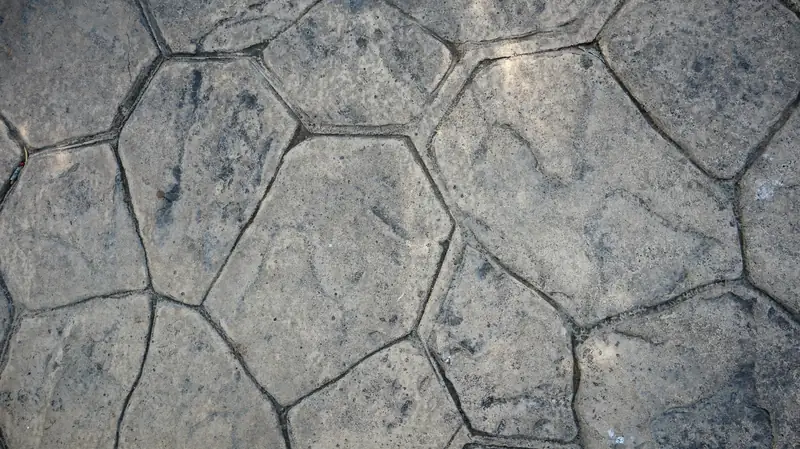
Concrete Patios · Ellenton, FL
Concrete Patio Installation in Ellenton
A concrete patio in Ellenton runs $6–$13 per sq ft installed as of October 2026. Where the slab lands on the county's permit list depends on a detail easy to miss: whether it's freestanding and non-structural, or poured with footers against an existing wall.
By the Opera Concrete & Pavers estimating team · Updated October 1, 2026
Get a free estimate
Tell us about the project and we'll call to set up a free site visit.
Say a 12 x 20 ft concrete patio, 240 sq ft, is poured against the house with a footer tying into a planned screen enclosure
Say a 12 x 20 ft concrete patio, 240 sq ft, is poured against the house with a footer tying into a planned screen enclosure. At $6–$13 per sq ft, that comes to $1,440 to $3,120 across the full range, narrowing to about $1,680 to $2,400 inside the typical $7–$10 band for a broom finish. Because the footer ties the slab structurally to the screen enclosure, it falls outside the county's non-structural exemption and needs a permit filed before the pour, a step a simple freestanding patio of the same size could have skipped entirely.
The line between exempt and permitted, in the county's own words
Manatee County's current no-permit list names a "non-structural concrete/paver patio" directly as work that skips a building permit Manatee no-permit list, while a "concrete slab with footers" sits on the opposite side of the same list and does need one Manatee no-permit list. A simple broom-finished pad poured on grade, detached from the house's foundation, usually falls in the first category; a patio tied structurally into an addition or a new footer along the house wall falls in the second, and a call to Development Services at 941-748-4501 ext. 3800 settles which applies before the forms go up.
Routing a Control Joint Around a Column Instead of Through It
Control joints on an open slab can run in a simple grid, but a lanai's support columns break that grid up, and a joint that would otherwise cross right through a post has to be routed around it instead. Panel-shape guidance still applies at every column: each section stays close to square, with the length no more than about one and a half times the width, rather than tapering into a long sliver next to a post. On a Ellenton patio with four or more columns, that means planning the joint layout around the columns before the pour, not sawing a standard grid afterward and hoping it lines up.
Decks share the same lot, different rule
A detached deck under 30 inches high and under 120 sq ft is exempt the same way a non-structural patio is, but every attached deck needs a permit regardless of height or size Manatee no-permit list, a distinction that matters on a lot where a patio and a small deck are being planned together. The patio's own drainage plan still has to account for Felda or similar wet-flatwoods soil underneath, common enough across the area that a perimeter swale is worth sketching before the slope is poured rather than adjusted after.
A Downspout Can Undermine a Base Before It's Even Poured
A downspout that empties straight onto the footprint of a planned Ellenton patio is a base problem before it is ever a finish problem. Florida's rainy season pushes real volume through a gutter system, Orlando averages about 51.45 inches of rain a year and Sarasota-Bradenton about 49.05, and a corner of subgrade that gets soaked every time it rains compacts differently than the rest of the pad around it. Extending the downspout, adding a splash block or routing water to a swale before the base goes down costs little compared with finding out later that one corner of the patio settled because it never had a fair chance to compact evenly with the rest.
A Tie-In Seam Without a Plan Cracks Worse Than a Joint
A patio extension poured directly against an existing slab without an isolation joint, or without matching the two sections' elevation carefully, does not settle evenly as both pieces age, and the seam between old and new concrete in Ellenton often ends up as the single worst crack or trip edge on the whole patio. That kind of damage looks worse, and reads as a more serious problem, than the ordinary hairline cracking a slab develops along its own control joints, even though the underlying cause, two pours moving independently, was foreseeable from the start. Planning the tie-in detail before the second pour, not patching the seam after it cracks, is the cheaper path by a wide margin.
Tying Into an Existing Patio Is a Two-Day Job
Extending an existing Ellenton patio is not a single pour: the first day usually goes to breaking out or grinding the old slab's edge so new concrete has a clean, known surface to tie into, and grading the new section's subgrade to match. Only once that transition edge is prepped and the forms are set does the new concrete get ordered for a second visit, rather than trying to do demolition, pour prep and finishing all in one day. Treating the tie-in edge as its own step, rather than rushing straight to the truck, is what keeps the new section's elevation and joint layout lined up with the slab it is meeting.
Moving the Planters Before They Leave a Mark
A heavy planter, an outdoor kitchen's grill island or a cluster of furniture left in exactly the same spot on a Ellenton patio for years can leave a faint discoloration or staining ring on the surface, especially on a sealed or stained finish where UV exposure differs between the covered and uncovered concrete underneath. Moving furniture and planters periodically, even just a few inches every season, spreads out that exposure and keeps one section of the patio from visibly aging faster than the rest. It is a small habit that costs nothing and keeps a stained or colored patio looking closer to uniform for longer.
Frequently asked questions
Does every concrete patio need a permit in Ellenton?
No. A freestanding, non-structural patio is on the county's current no-permit list. A slab poured with footers, especially one tied into a screen enclosure or addition, falls outside that exemption and needs a permit.
Is a small deck next to an Ellenton patio exempt too?
Only if it's detached, under 30 inches high and under 120 sq ft. An attached deck of any size needs a permit, a different standard than the patio exemption right next to it.
Who do I call to confirm whether my Ellenton patio needs a permit?
Manatee County Development Services, at 941-748-4501 ext. 3800, is the quickest way to settle a borderline case before pricing or scheduling the pour.
Sources
- Manatee County LDC §1004.2 Access and Drainage Permit
- Manatee — Request a Driveway or Culvert Permit
- Manatee Driveway and Culvert Application (2022)
- Manatee — Inspections Required for Paver Driveways
- Manatee — What Does Not Require a Permit (6-16-26)
- Manatee County LDC §511.16 Swimming Pools, Spas, Screen Enclosures
- Manatee County LDC §403.10 Watershed Protection Overlay
- Manatee County - Modified Phase III water shortage restrictions
- SWFWMD District Water Restrictions
- FEMA - Features of Flood Insurance Rate Maps in Coastal Areas
- FDOT Structures Design Guidelines Vol. 1, §1.3.2 environmental classification
- NRCS OSD Myakka
- NRCS OSD Pomello
- NRCS OSD EauGallie
- Florida Administrative Code — Rule 62-308.100, Synthetic Turf (effective May 19, 2026)
- Florida Statutes §125.572 — synthetic turf on single-family lots
- F.S. 720.3045 (2026) Installation, display, and storage of items
- Florida Climate Center - Bradenton 1991-2020 normals
- Census Reporter, Ellenton FL (ACS 2020-2024 5-yr, B01003/B25035)
- Wikipedia, Ellenton, Florida
- Florida State Parks, Gamble Plantation Historic State Park
Ready for a price on your project?
Request a free estimate
Tell us about the project and we'll call to set up a free site visit.